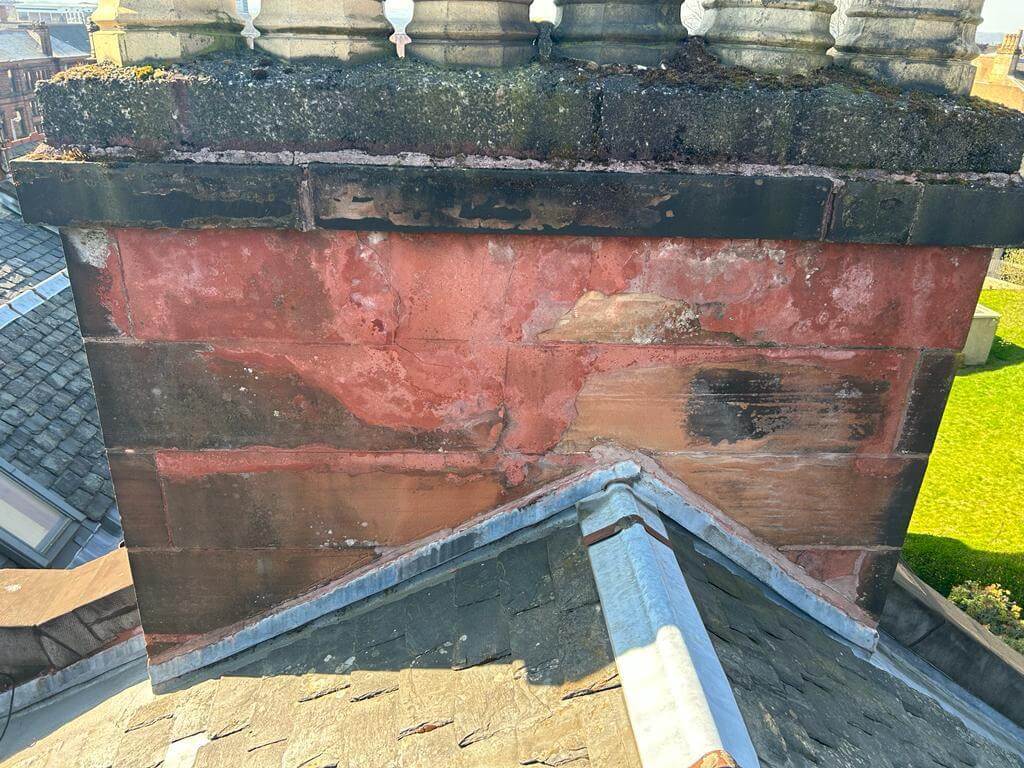
Preserving Architectural Heritage
Historic buildings and landmarks are a testament to our past and hold significant cultural and historical value. Stone restoration allows us to honour and preserve these architectural gems for future generations to appreciate. By investing in stone restoration, you contribute to the preservation of our collective heritage.
Extending the Lifespan of Stone Structures
Stone structures are exposed to various environmental factors, including weathering, pollution, and natural deterioration. Regular maintenance and restoration can address these issues, preventing further damage and extending the lifespan of the building.
Enhancing Aesthetic Appeal
The natural beauty and unique characteristics of sandstone and brickwork can be diminished over time due to weathering and wear. Stone restoration techniques, such as cleaning, repointing, and surface repairs, can revitalise the appearance of the stone, bringing back its original splendour.
Ensuring Structural Integrity
Cracks, erosion, and other forms of damage can compromise the structural stability of stone buildings. Stone restoration involves assessing and repairing these issues, reinforcing the strength and stability of the structure. This ensures the safety of occupants and protects the building from further damage.
Stone restoration is a meticulous and specialised process that requires the expertise of skilled stonemasons. Here is an overview of the key steps involved in stone restoration:
Initial Assessment
Before any restoration work begins, a thorough assessment of the stone structure is conducted. This includes identifying areas of damage, determining the cause of deterioration, and evaluating the overall condition of the stone.
Cleaning and Surface Preparation
Cleaning the stone surface is an essential step in the restoration process. Various cleaning methods, such as steam cleaning, chemical cleaning, and gentle abrasive techniques, may be used depending on the type and condition of the stone. This removes dirt, pollutants, and biological growth, revealing the true beauty of the stone.
Repairs and Replacement
Once the stone surface is clean, damaged areas are repaired or replaced. This can involve repointing, where deteriorated mortar joints are carefully removed and replaced, and surface repairs, where damaged stone is patched or replaced with matching materials.
Consolidation and Strengthening
In some cases, the stone may require consolidation to strengthen its structure. This involves applying a consolidating agent to the stone, which penetrates the pores and bonds the loose particles together. This helps to stabilise the stone and prevent further deterioration.
Finishing and Protection
After repairs and consolidation, the stone is finished to match the surrounding area. This may include sanding, honing, or polishing to achieve a smooth and uniform surface. Finally, a protective coating or sealant may be applied to enhance the stone’s resistance to moisture, pollutants, and weathering.